

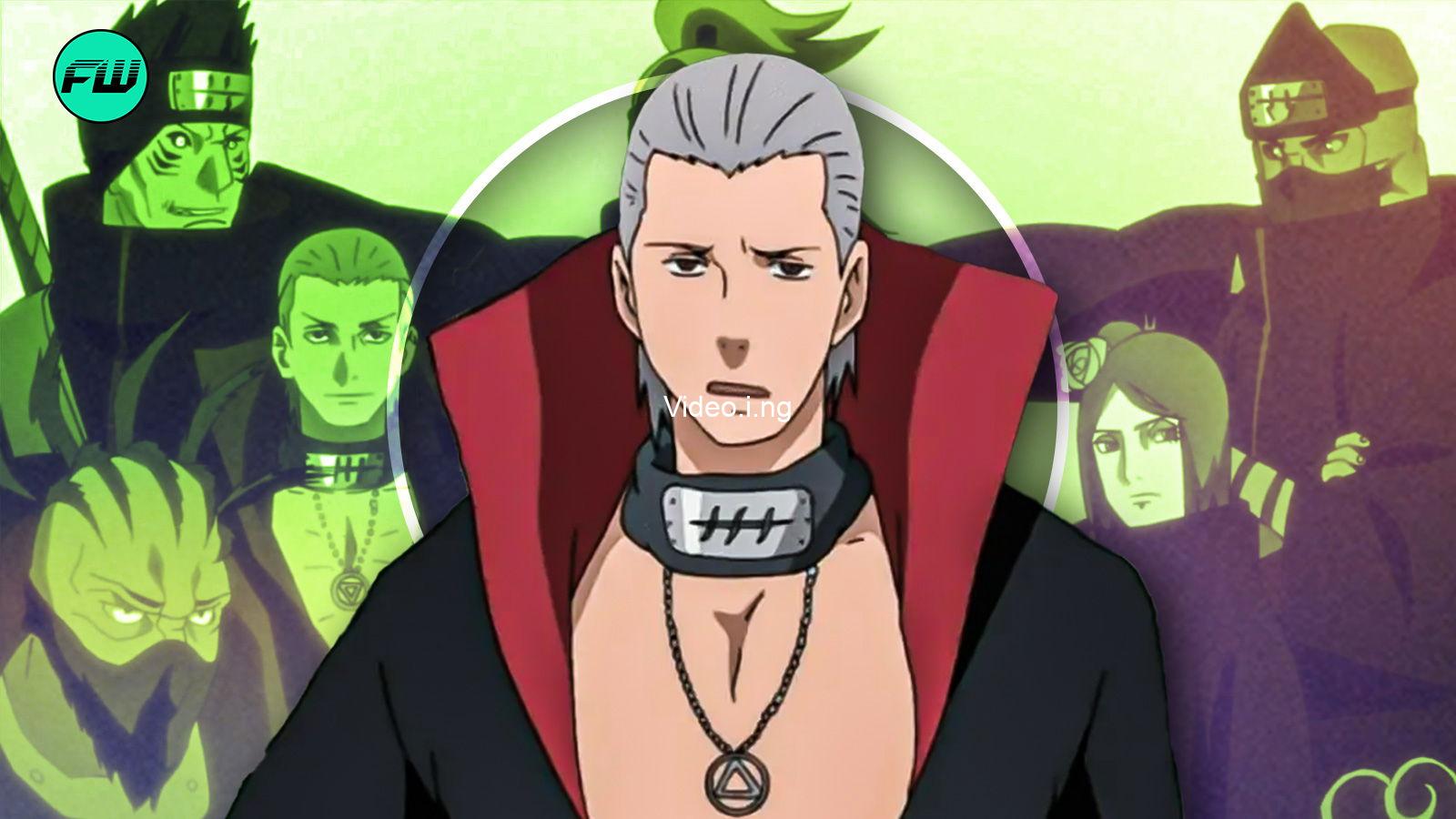
The Akatsuki remains one of Naruto’s most iconic villain groups, where each member is recognised for their unique abilities, twisted ideologies, and rich backstories. From the brutally twisted reality of Itachi Uchiha to the pain-fueled motives of Nagato Uzumaki, many members gained their rightful stories, except one. Hidan is one of the characters who is often brushed off as the weakest member of the Akatsuki, known for his immortality and foul mouth. But the character deserved much more.
While Hidan lacks the raw explosive powers like Pain and Diadara or the strategic intellect of Itachi and Sasori, what he brought to the table was never fully explored in the Naruto franchise.
Hidan’s unholy power was unique and underutilized
One thing that made Hidan unique amongst all the characters in Naruto is his immortality, which made him nearly impossible to defeat in a traditional fight. This unique ritualistic jutsu, the Jashin curse technique, turned a normal battle into a chilling game of self-inflicted pain.
The only requirement behind Hidan’s technique was that he had to form a link with his target by licking their blood. This disturbing, yet creative power had the potential to add a level of psychological horror rarely seen in the rest of the Naruto franchise.
Related: 4 Characters in Naruto That Look So Mindlessly Similar We’re Forced to Admit Masashi Kishimoto Got Super Lazy
While the character had a lot of potential, Hidan was only seen fighting on rare occasions. Hidan made a few appearances, primarily in Naruto Shippuden, and was not explored much beyond his conflict with Team Asuma.
Some of his other notable fights were his victory against the Two-Tailed Jinchuriki and his victory against Team Asuma, which resulted in Asuma Sarutobi’s death. After his loss to Shikamaru Nara, his effectiveness in the anime was written off.
Related: Naruto Theory: One Deadly Jutsu That Hurt Madara Was Actually Created for Suicide Missions
While other Akatsuki members received prolonged arcs, multiple battles, and a touching backstory, Hidan felt like a narrative afterthought. His character was reduced to a plot to kill Asuma and spark Shikamaru’s growth, rather than being developed as a character in his own right.
A devotee of chaos in a world of order
Hidan from a still in Naruto | Image Credit: Studio Pierrot
Hidan was genuinely different from the remaining members of the Akatsuki, and it’s not just in power and abilities, but also in his beliefs as a person. Hidan was considered a religious zealot who worshipped his Lord, Jashin, to the core.
Through the series, we have learnt that Hidan did not fight out of enjoyment or that he wanted any revenge. He fought because he believed that it was holy. He saw war as eternal worship, death as divine punishment, and pain as sacred, which truly is a unique attribute for someone from Naruto.
Related: Naruto Characters Who Would Do Amazingly Well in Jujutsu Kaisen Universe
Even so, we have not learnt anything in detail about the character or his beliefs, Jashinism, beyond what Hidan mentioned.
What is the origin of this cult? Are there more followers? How did Hidan come to believe in it so strongly? These are some questions that were never answered in Naruto, which may have cost the franchise a missed opportunity.
Jashinism could have helped Naruto open gates to a darker, much more philosophical edge, which was rarely seen in the anime. Instead, it was sidelined as a gimmick by the end of the series.
While Hidan may not have the monstrous power of Kisame or the intricate backstory of Konan, he had something the Naruto narrative rarely gave its villains: a truly original worldview.
He was a different character, whether it be in combat, appearance, or belief. That difference should’ve been explored rather than being buried alive in a pit by Shikamaru and left to rot forever.
In the end, Hidan is not a weak character from the Akatsuki because he lacked power; he is weak because the story chose not to give him a chance.
The entire Naruto franchise is available to stream on Hulu, Crunchyroll, and Netflix
This post belongs to FandomWire and first appeared on FandomWire